
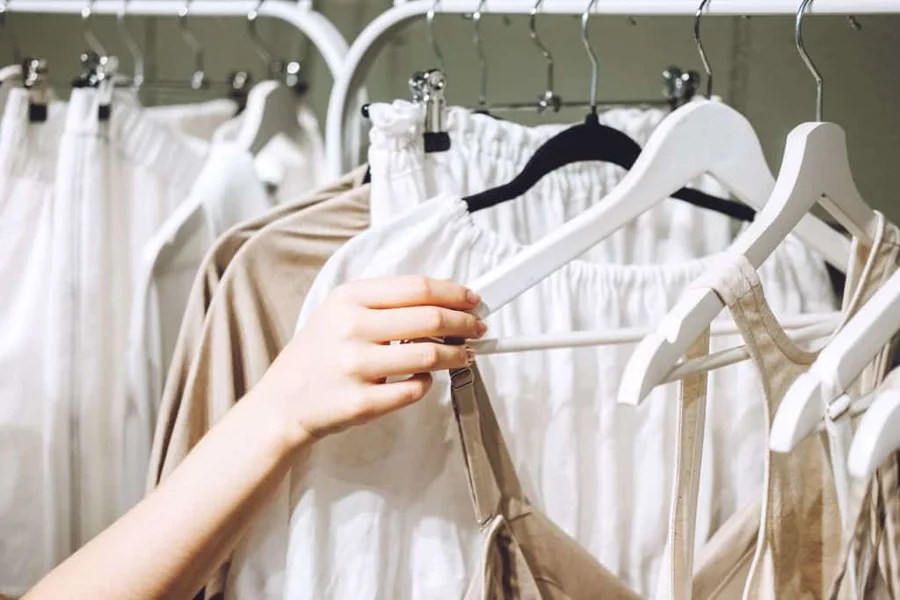
Sustainable is a term that is used all around us today. But, what about for your clothing? Eco friendly sustainable clothing brands have the planet as their first priority. Consumes less water. They are not to be used with harmful chemicals. They have a good attitude towards the workers. It’s no passing fad. It is a change that must take place. Fast Fashion is Bad for the Environment. Every year tons of material waste is sent to landfills. Clothes often are manufactured with plastics that will never degrade. Therefore, it’s a good idea to opt for better brands. Don’t need to get a complete makeover overnight. Simply make one intelligent purchase!
What Are Eco Friendly Sustainable Clothing Brands?
These brands design garments which are conscious of nature and people. They select things such as organic cotton hemp or recycled polyester material. Organic cotton is a pesticide-free cotton. Hemp is a low water and chemical spray user. Recycled polyester is recycled plastic bottles that are reborn again. Sustainable brands are also waste minimizers. They know how to cut out cloth in smart ways – to use up every inch. Some even use the remainder of the cloth from the factories for making clothes. Such companies provide workers with a fair compensation. It’s essential to have safe working conditions. Many are certified such as GOTS and B Corp. The labels indicate that their claims have been verified by an independent party. Thus you can be sure of the items you purchase. Fast fashion is a budget conscious approach. With sustainable fashion, we create quality for the long haul. You can expect your t-shirt to last for more than 3 washings. It’s the guarantee of these brands.
Why Choose Sustainable Fashion?
The clothes that you wear say something. A lot of pollution is generated in the fashion industry. Consumes huge quantities of water. Runoff from dyeing fabric is poisonous and is discharged in rivers. It takes 2700 litres of water to produce one conventional cotton shirt. That’s the amount that one person would consume in 2 ½ years. That number is reduced drastically with sustainable brands. They do not use low water dyes or even dyes. Some harvest even rainwater for production. This will also benefit your skin. Natural fibres are more breathable. They are not so irritating as synthetic blends. Ever been itchy in a not so good shirt? This can frequently be chemical residue. Organic / Natural fabrics are softer to your body. Durability is one other. Sustainable clothes have a lifespan of several years. This will save you money with time. A cheap 10shirtmighttearafterfivewashes.Aquality10shirtmighttearafterfivewashes.An Aquality40 shirt is a sustainable shirt that lasts for a long time – 50 washes. The numbers work out to your favor. Also, it feels good to wear something which is good for the environment. That is peace of mind and it’s worth it.
Top Eco Friendly Sustainable Clothing Brands You Should Know
Let me tell you of a few great brands. Patagonia is pioneered. They fix your old equipment no cost at all. They even request that you don’t even purchase new items if you don’t need them. Now that’s honesty! Their fleece jackets are made out of recycled plastic. Eileen Fisher is a great name as well. She creates easy to make elegant designs for women. Her company returns old clothing, and then creates new designs from it. A true circular system is that. For day-to-day necessities check out Pact. Underwear Socks and T-Shirts are made of organic cotton. They are fairly priced. These are readily available online. There’s also Outerknown. It was started by a surfer named Kelly Slater. They are made with recycled fishing nets as blankets and shirts. That’s what makes our oceans clean. If you’re looking for activewear, check out Girlfriend Collective. Leggings are made out of old water bottles. All components of their packaging are recycled. Even the bag that your order comes in, breaks down in compost. People Tree are partnered with fair trade farmers in India and Nepal. Since the ‘90s, they have been doing this. That’s a true commitment. Thought Clothing: bamboo and hemp. They have fun and colorful prints. All these brands will show that you are never a compromise on style and ethics.
How To Spot Genuine Sustainable Brands
There is Greenwashing that is a problem. There are some companies that would only act as if they are eco friendly. They put not only a leaf on the label but they also say that it’s green. There’s a lot more to look at. Firstly, see the material tag. Organic cotton linen hemp Tencel or recycled fibres are used in real sustainable clothes. Try to stay away from terms such as “acrylic” or ” virgin polyester. Those are plastic. Look for certifications again! GOTS is the “best” standard out there! It is for both organic fibres and fair labour. OEKO-TEX is no harm to the environment. B Corp appraises the entire company, NOT just a product. Third, check out whether or not the brand provides information. A trustworthy company lets you know where they’re manufacturing their products. They have identified their suppliers. They make statements on Sustainability. Any claims that are not specific, such as eco friendly, or green, are worthless. Consider whether or not this brand has a Take Back Scheme? Is there repair service they offer? True sustainable brands wish you to hold onto your clothing for longer. They don’t promote new collections on a weekly basis. A good indicator of this could be whether they have a page on their website that is named sustainability or impact. Be careful if this page is not present. Also check out customers’ feedback. Comparisons of the length of clothes’ lives are a common experience. Small brands are more likely to do more on the ethics front, as another tip. They can’t take the risk of getting bad publicity. Therefore don’t disregard the little guys.
Tips For Caring For Your Sustainable Clothes
You’ve acquired an excellent eco friendly product. Now make it last. The greatest difficulty is in washing. Wash cold. Colours and fibres are not affected by hot water. Don’t use a detergent that contains harsh chemicals. There are a number of natural detergents that are in cardboard boxes now. This reduces the amount of plastic waste. Skip the dryer. Use a drying rack or clothesline to dry laundry. Dryers consume electricity and reduce the size of the clothing. Bright colour and shape is maintained by air drying. If you do wash, be sure to turn clothing inside out. That will help keep the surface from being damaged. Wash less frequently for wool and other delicate fabrics. Often a quick air out is sufficient. Stains happen. Treat them quickly with some cold water and mild soap. Do not scrub hard. Apply gentle pressure to pat the stain. Learn basic mending. Even if there is a small hole in a shirt, it doesn’t destroy the garment. It only takes 5 minutes to sew! Numerous online tutorials are available which are easy to follow. Switch up your clothes, too. When you wear the same jeans every day, they’ll wear out more quickly. Allow clothing to dry out before using it again. If it is truly dead don’t dispose of it. Use cut-up old t-shirts for cleaning rags. Send out-grown shoes to shoes recycling. Certain brands guarantee to collect any old clothes – not just their own. H&M and North Face are found to have bins in their stores. Respect your clothes by taking care of them. Reduces waste and saves money.
Final Thought
It doesn’t happen overnight to be eco friendly and go for sustainable clothing brands. Start small. The next time you need a new t-shirt, consider purchasing an organic cotton t-shirt. Fix a hole in a ripsaw coat. Inquire of a brand the origin of their wool. All the small things count. The fashion industry evolves, as the consumers have greater expectations. Your money is a vote! Put it to good use – clean water, fair pay, less garbage. You’ll appear and feel great. It is the most appropriate clothes that one can wear. Keep in mind that sustainability is not a perfect concept. It’s a question of progress. Don’t panic about each and every buy. Just be mindful. Focus on quality, rather than on quantity. And have the satisfaction of a well-made shirt that can last for years!
FAQs
What is the most eco friendly fabric for clothing?
Hemp is one of the best choices. It grows fast without pesticides. It needs very little water. Hemp also makes strong long lasting fibers. Other great options are organic cotton linen and Tencel. Tencel comes from wood pulp in a closed loop system. That means almost all water and chemicals get reused.
Are eco friendly sustainable clothing brands more expensive?
Sometimes yes initially. A sustainable shirt might cost 40insteadof40insteadof10. But that $40 shirt lasts five times longer. You actually save money over time. Fast fashion falls apart quickly. Then you buy another cheap shirt. That cycle costs more. Also many affordable sustainable brands exist. Check Pact or Uniqlo’s sustainable lines.
How do I know a brand is not greenwashing?
Look for specific proof like certifications. GOTS B Corp or Fair Trade labels are solid. Read the brand’s sustainability page. Real brands show factory addresses and material origins. Be suspicious of vague terms like natural or green. If a brand cannot answer your question move on.
Can I recycle my old clothes instead of throwing them away?
Yes. Many cities have textile recycling bins. Brands like Patagonia and The North Face take back old gear. Some stores like H&M offer in-store recycling. You can also donate wearable clothes to thrift shops. For unwearable items cut them into rags. Do not put textiles in the regular trash if possible.
What is the difference between sustainable and ethical fashion?
Sustainable fashion focuses on the environment. That means less water fewer chemicals and less waste. Ethical fashion focuses on people. Fair wages safe conditions and no child labor. The best brands do both. Eco friendly sustainable clothing brands often also follow ethical practices. But you should check each one.
How many clothes should I own for a sustainable wardrobe?
There is no magic number. A good rule is to buy only what you truly wear. Many people use a capsule wardrobe. That is about 30 to 40 pieces for a season. That includes tops bottoms dresses and outerwear. The key is versatility. Each piece should match several others. And everything must fit well and feel good.
Do sustainable clothes shrink or fade less?
Often yes. Natural fibers like organic cotton still shrink a little. But washing cold and air drying prevents most shrinking. Cheap clothes use harsh dyes that fade fast. Sustainable brands often use better dyes. Some use plant based or low impact dyes. Those hold color longer. Always check the care label for best results.
