
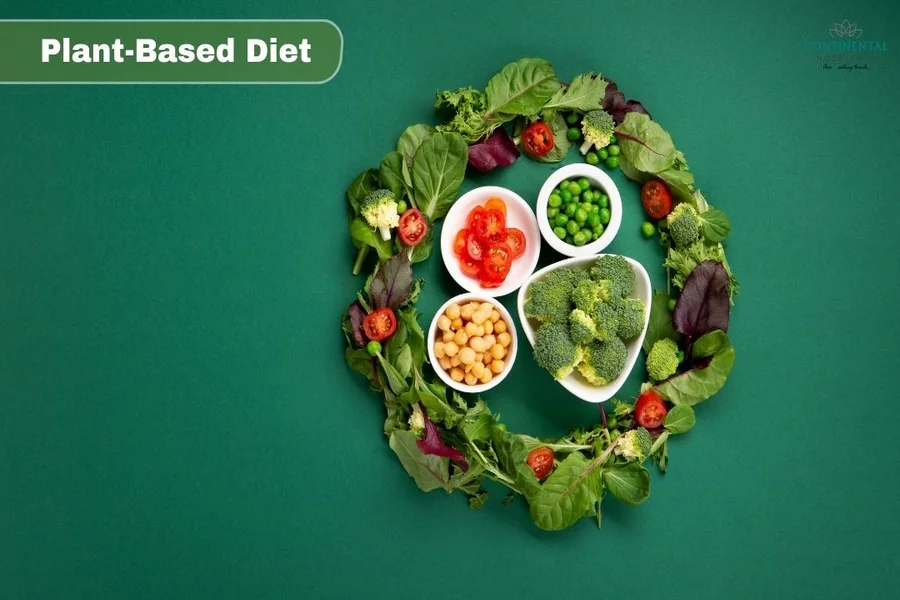
If you’re considering adopting a plant based diet, you may be curious if you can get all the necessary nutrients from a plant based diet. The answer is “Yes” short and sweet. As more people turn to a plant-based diet, they are seeking to enjoy more delicious meals and experiences of eating. They feel better, are more energetic and can live longer. In this article, you’ll learn about the key nutritional benefits of plant based diets. You’ll discover how plants nourish your body, support a healthy heart, help you maintain a healthy weight and keep your gut healthy. No geeky science terms – just plain talk about real food.
Key Nutrients You Get From Plant Foods
A frequently asked question is about protein. What are the sources of protein if you’re a vegetarian? Truth is, there’s an abundant amount of protein in plants. Beans, lentils, chickpeas and tofu are great protein sources. Approximately 18 grams of protein can be found in a cup of cooked lentils. This is nearly as many as 3 eggs. Plus some more from nuts and seeds. Even foods like whole grains such as quinoa and oats have protein throughout the day. Animal protein is not required for muscle building, or even for maintaining your body’s strength. There are numerous elite athletes that follow plant based diets. They are quick, strong with a good recovery.
Iron is another nutrient that people inquire about. Spinach beans, pumpkin seeds and fortified cereals are good sources of plant based iron. The difference is, the plant iron can be better absorbed when consumed with vitamin C. Add some lemon juice to your beans, or add an orange to your spinach salad. Your body will absorb more than it will need. Calcium is easy, too. Fortified plant milks (such as almond or soy milk) contain the same amount of calcium as cow’s milk. Calcium is also found in kale broccoli and tahini. Without milk, your bones remain strong!
Omega-3 fatty acids help your brain and decrease swelling. Chia seeds, hemp seeds and walnuts are great sources of omega-3s. Just two tablespoons of ground flax seeds meet your daily need. Most people are able to use these plant sources. An algae based supplement may be taken for additional use. A well planned plant-based diet provide all the nutrients that the body requires.
How Plant Diets Support Heart Health
Heart disease is number one cause of death. However, your risk can be altered by your diet. Bad cholesterol is reduced from plant based diets naturally. Saturated fat is found in particular types of animal food, such as red meat and dairy. This fat is deposited in your arteries over time. Plants don’t contain much saturated fat. Rather, they provide you with fiber and healthy fats. Fiber in the gut attaches to cholesterol and helps to eliminate it. Then your liver extracts more cholesterol from the blood to make bile. In this way, your cholesterol levels are reduced naturally.
Plant based diet also helps to improve blood pressure levels. Fruits and vegetables are a good source of potassium. Potassium is used to help relax your blood vessels. It also aids your kidneys in eliminating excess sodium. With less sodium, and more potassium, comes lower blood pressure. Research has found that those who follow a plant based diet are much less likely to suffer a heart attack or stroke. Even one or two plant foods per week can help! Your heart pumps blood around your body every second. You can do one of the best things for it — give it plants!
Plants also help to decrease inflammation of the blood vessels. Berries, leafy vegetables and coloured vegetables have antioxidants that protect the walls of your arteries. As long as your arteries are smooth and flexible, blood flows easily. That translates to less effort from your heart. The magic is not in any specific food, but in the overall pattern: Eating plants.
Plant Based Eating For Healthy Weight
Weight management becomes easier, without having to work that hard. A plant based diet is typically lower in calories, but higher in volume. A huge bowl of vegetables, beans, and grains can fill you up. Cheese or meat calories of the same size would be a much smaller portion. Plants have fibre and water which fill up your stomach. They send signals to your brain to feel full. It is natural to consume less food without feeling deprived.
There are numerous people who lose weight by changing to a vegetarian diet. They don’t track their calories or deprive themselves of food. They simply feed on actual food until they are full. The weight loss is gradual and it remains off. Some plant foods, such as vegan cookies and chips, are not as healthy as whole plant foods. Eat beans, lentils, vegetables, fruits, nuts and whole grains. These foods will help to stabilize blood sugar. If the blood sugar levels are under control, there will be less craving. There goes snack time way down the day.
The other advantage is that diets rich in plants enhance your metabolism. The more fiber and antioxidants you eat, the more energy your cells will be able to utilize. Your body is better at using fat. Not to mention that you get eliminate the hormones and additives which can be present in many animal products. These can interfere with your body’s natural mechanisms of weight control. Your body is made to eat clean plants! Control your weight in a healthy balanced manner.
Better Digestion And Gut Health
Vegetarian foods are the food your digestive system desires. This is primarily due to the fiber. There are two types of fibre, soluble and insoluble. Soluble Fiber is fiber that is soluble in water and creates a gel. That gel slows down your digestion to enable your body to absorb nutrients bit by bit. Fiber that isn’t soluble will provide bulk to the stool. It aids in moving all your food through your intestines at the proper speed. These fibers, in combination, help to avoid constipation diarrhea and bloating.
However, fiber isn’t just good for keeping you regular. Supplies good bacteria to your intestine. The bacteria are known as gut microbiome. In human beings, plants are not digested in the stomach and go to the large intestine. That fiber is consumed by the good bacteria, thus generating short chain fatty acids. These fatty acids help to fight inflammation, build up your gut lining and even help your immune system. Healthy gut microbiome contributes to improved mood, decreased anxiety and enhanced immunity.
Plants host various bacteria. Therefore it is important to have a diverse diet of plants. Try to get 30 different plant foods a week! While this might sound like a lot, it’s a lot more than is actually required. Oats for breakfast, apple for snack, a handful of nuts for lunch and broccoli for dinner. All are rich in a different type of fiber and nutrients. Your gut bacteria will thank you for better digestive health and more. A lot of people have found that eating a plant based diet with a lot of fiber in it, their gas and stomach pain is resolved. Simply add fiber gradually and plenty of water.
Long Term Disease Prevention
Cancer diabetes and other chronic diseases don’t occur all of the sudden. These are built up over a number of years, through small decisions. With a plant based diet your risk of many of these diseases is reduced. For instance, Type 2 diabetes. Whole plants help to maintain a healthy blood sugar level. The fibre helps to decrease the absorption of sugar. Your pancreas doesn’t have to secrete tremendous amounts of insulin. This over time will prevent your cells from forming insulin resistance. Plant based eaters have been found to have approximately 50% less risk of developing diabetes than do meat eaters.
But the evidence is strong for cancer prevention as well. The World Health Organization (WHO) has declared processed meat as a carcinogen. Red meat is likely to be a cancer-causing agent. These risks can be averted on a plant-based diet. Plants offer thousands of protective compounds, phytochemicals. Although not vitamins or minerals, these are able to battle cancer on many fronts. Some block carcinogens. Some are capable of preventing the growth of cancer cells. Some to repair damage to DNA. Broccoli, kale and other cruciferous vegetables are particularly potent. Tomatoes, garlic – they are berries, too.
If you have a chronic condition already, this can help if you move towards more plants. In fact, arteries often improve in people with heart disease who switch to a plant based diet. Some even decrease their dependence on medicines. Always talk to your doctor before changing your diet especially if you take medicine. However, the way is set. Food is medicine for your body, whole plant foods are the medicine. These safeguard you now and for years to come!
Final Thought
Being a plant based eater does not mean being perfect! It’s not necessary to go vegan all at once and to eliminate all favorite foods. Start small. Have 1 plant based meal each day. Then two. Then three. See how you feel after some weeks. Most people find it increases their energy, sleep and reduces aches. Your skin may become clear. You’re likely to find that your digestion improves. These little changes equals big health benefits.
Plant based foods are supported by decades of research and have proven nutritional benefits. Plants provide the primary food source for heart health, weight control and the prevention of disease. You don’t have to take costly supplements or super ingredients. Rice, beans, potatoes, vegetables and fruit are inexpensive and available in all places. Your body is familiar with what it needs to do with real food. Provide it to the plants they desire. You will notice the difference with your first bite and last thought of the day!
Frequently Asked Questions
Will I get enough protein on a plant based diet?
Yes if you eat a variety of plants. Beans lentils chickpeas tofu tempeh edamame nuts seeds and whole grains all provide plenty of protein. Most people need about fifty grams per day. A cup of lentils gives eighteen grams. A serving of tofu gives ten grams. A handful of almonds gives six grams. Spread these foods through your day and you will meet your needs easily.
Do I need to take vitamin B12 supplements?
Vitamin B12 comes from bacteria in soil not directly from plants or animals. Animals get B12 from eating soil or from supplements added to their feed. If you eat no animal products you should take a B12 supplement or eat fortified foods like plant milks and nutritional yeast. This is simple and inexpensive. Do not skip B12. Your nerves and blood cells need it.
Can children follow a plant based diet safely?
Yes children can thrive on well planned plant based diets. They need enough calories for growth. Offer energy dense foods like nut butters avocado and whole grains. Pay attention to iron calcium and vitamin D. Fortified foods and a B12 supplement are important. Many pediatricians support plant based diets for families. Talk to your child’s doctor to make sure all needs are met.
Is a plant based diet expensive?
No beans rice potatoes carrots and cabbage are some of the cheapest foods in any grocery store. Meat dairy and cheese cost much more. Processed vegan foods like fake meats can be pricey but you do not need them. Stick with whole plants. Buy frozen vegetables and fruits. Cook dried beans instead of canned. Your grocery bill will likely go down not up.
What if I do not like vegetables?
Start with vegetables you already tolerate. Add them to foods you enjoy. Blend spinach into a fruit smoothie. Grate carrot into pasta sauce. Roast broccoli with garlic until it gets sweet and crispy. Your taste buds can change over time. The more you eat vegetables the more you may learn to like them. Try one new vegetable each week. Prepare it in different ways. Steamed boiled roasted or raw all taste different. You will find something you enjoy.
How do I eat out at restaurants on a plant based diet?
Most restaurants have plant based options now. Look for bean burritos veggie burgers pasta with marinara sauce vegetable stir fry or salad bowls. Ask for no cheese or cream sauce. Many places are happy to substitute extra vegetables for meat. Ethnic restaurants like Indian Thai Mexican and Middle Eastern often have many plant based choices. Do not be shy about asking questions. Chefs want you to enjoy your meal.
Will I feel tired or weak at first?
Some people feel tired when they switch suddenly. This is usually because they do not eat enough calories. Plant foods are less calorie dense than animal foods. You may need to eat a larger volume of food. Add healthy fats like avocado nuts and seeds. Eat frequent meals and snacks. Drink plenty of water. If tiredness continues check your iron and B12 intake. Most people feel more energetic after the first few weeks.
